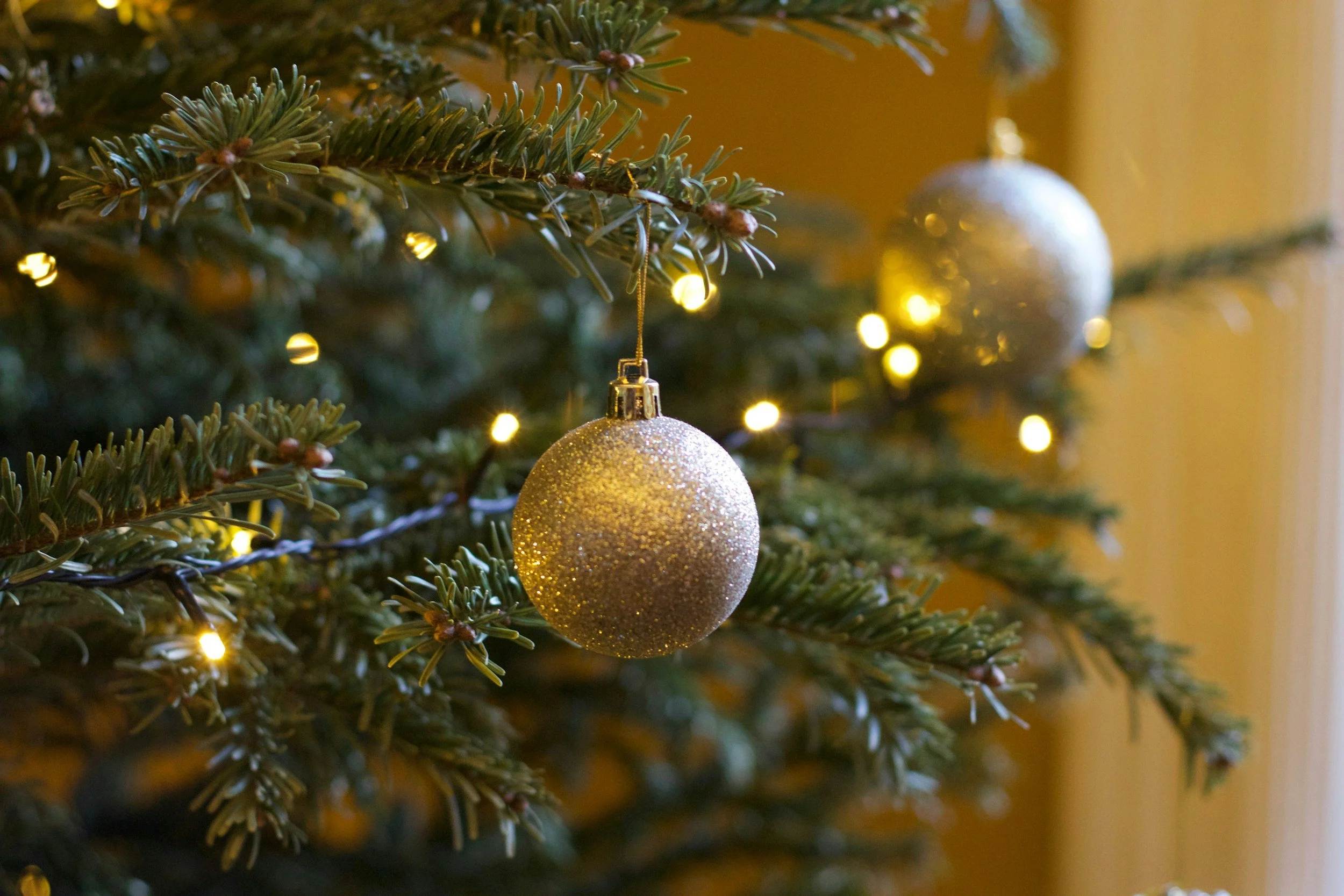
Real Trees vs Artificial Trees
Many people believe that reusing an artificial tree is better for the environment than cutting down a real one each year—but that couldn’t be further from the truth. Most artificial trees are made from nonrenewable, petroleum-based plastics that release carbon during production. Because the majority are manufactured overseas, mainly in China, they must also be shipped thousands of miles—adding even more greenhouse gas emissions.
Artificial trees aren’t just bad for the planet; they can be harmful to your family as well. If they catch fire, they release toxic chemicals, and when their short lifespan ends (typically around six years), they can’t be recycled. Instead, they sit in landfills for centuries.
Real Christmas trees, on the other hand, are a renewable resource that actively help the environment while they grow—each acre of trees produces enough oxygen for the daily needs of 18 people (Earth911.com). Tree farms replant new saplings every year, creating a sustainable, zero-net exchange of resources. By choosing a real tree from a local farm, you reduce your carbon footprint, support local agriculture, and help sustain the holiday tradition for future generations. And when the season ends, your real tree can be recycled or composted, returning safely to the earth as a new tree grows in its place.